Bronfenbrenner's Theory of the Micro-System
In the realm of child development, recent advancements have expanded our understanding of the various factors that shape a child's growth and development. This evolution is largely due to the exploration and application of Urie Bronfenbrenner's Bioecological Model.
At the heart of this model lies the Microsystem, an innermost layer that encompasses an individual's immediate environment and direct interactions. This includes family, peers, school, neighborhood, religious institutions, and more. The Microsystem significantly influences behavior, beliefs, and overall growth through daily, face-to-face interactions.
Within the family, parents, siblings, and extended family play a crucial role in a child's emotional, social, and cognitive growth. Parenting styles, such as authoritative, authoritarian, permissive, or uninvolved, significantly influence a child's behavior and development. Creating an environment of open communication within the family is essential.
The classroom environment, encompassing both physical aspects and social dynamics, can impact learning. Educators should strive to establish supportive and nurturing relationships with their students, providing consistent love, support, and guidance. Implementing teaching methods that cater to individual learning styles and needs can enhance engagement and academic outcomes for all students.
In the peer group, close friends and playmates provide companionship, opportunities for social learning, and a sense of belonging. Through interactions with peers, children learn to navigate social situations, negotiate, resolve conflicts, and develop their social competence.
A neighborhood's physical characteristics, such as access to parks, playgrounds, and safe spaces for play, can influence children's physical and mental well-being. Access to community resources, such as libraries, community centers, and after-school programs, can positively impact a child's development.
Religious institutions also play a significant role in child development. Religious leaders and community members provide guidance, support, and a sense of community. Religious teachings and practices can shape a child's moral compass, values, and beliefs about the world.
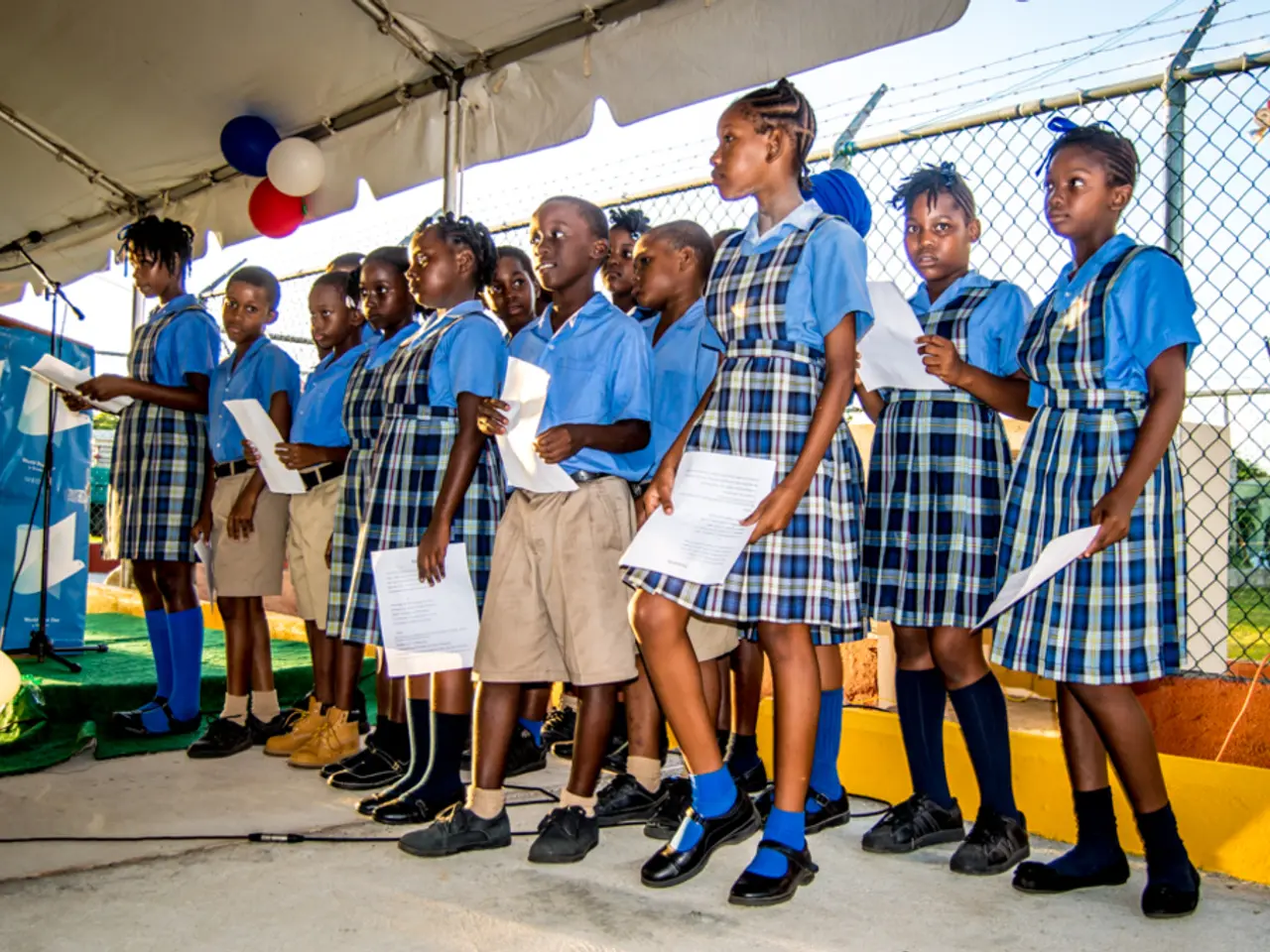
In the school environment, teachers and classmates significantly impact a child's academic, social, and personal growth. Schools should actively encourage parental involvement in their children's education.
Culture significantly impacts child development within these microsystems, being woven into everyday routines and interactions within the family, school, and peer groups. It permeates all system levels, going beyond static societal norms to include dynamic intercultural interactions that influence proximal processes. This acknowledges cultural variability in developmental trajectories and outcomes.
Recent research emphasizes multiple developmental outcomes, highlighting how varying proximal processes within nested systems interact to actualize diverse genetic potentials and psychological functioning. Weak proximal processes limit potential actualization, whereas strong proximal processes enhance development.
The advent of virtual microsystems, digital environments such as social media and online learning platforms, is recognized as a new, significant immediate context impacting individual development similarly to traditional microsystems like family and school. The neo-ecological theory, proposed by Navarro & Tudge (2022), introduces the concept of "virtual microsystems" to account for online interactions and their impact on development in the digital age.
In contemporary developmental psychology, Bronfenbrenner’s bioecological framework continues to evolve, informing interventions and policies that consider not only immediate and broader environmental influences but also digitized contexts and cultural complexities shaping human growth in the 21st century.
Community leaders and policymakers should prioritize funding for high-quality early childhood education programs. Implementing policies that address income inequality, promote social mobility, and provide support for low-income families can create a more equitable playing field for all children.
In conclusion, the Bioecological Model offers a comprehensive understanding of the various factors influencing child development. By recognizing the importance of the Microsystem, culture, virtual microsystems, and multiple developmental outcomes, we can better support children in their journey towards holistic growth and development.
- The Microsystem, a fundamental part of Urie Bronfenbrenner's Bioecological Model, represents the immediate environment and direct interactions that significantly impact a child's growth and development.
- Within the Microsystem, the family plays a pivotal role in a child's emotional, social, and cognitive growth, with parenting styles and open communication being critical factors.
- Educators within the classroom environment can impact learning by establishing supportive relationships with students, catering to individual learning styles, and implementing consistent guidance.
- Peer groups provide opportunities for social learning, helping children navigate social situations, negotiate, resolve conflicts, and develop social competence.
- The physical characteristics of a neighborhood, including parks and playgrounds, can impact a child's physical and mental well-being, while community resources contribute positively to a child's overall development.
- Religious institutions profoundly affect child development by providing guidance, support, and shaping a child's moral compass, values, and beliefs.
- Schools should encourage parental involvement in their children's education, and cultural variability should be considered in developmental trajectories and outcomes.
- Recent research accentuates multiple developmental outcomes, stressing the importance of proximal processes within nested systems in actualizing diverse genetic potentials and psychological functioning.
- The digital age has introduced virtual microsystems, such as social media and online learning platforms, which impact individual development similarly to traditional microsystems.
- Policymakers should prioritize funding for high-quality early childhood education programs and address income inequality, promote social mobility, and provide support for low-income families.
- By acknowledging the importance of the Microsystem, culture, virtual microsystems, and multiple developmental outcomes, we can better support children in their journey towards holistic growth and development.
- The Bioecological Model continues to evolve, providing a comprehensive understanding of the various factors shaping child development in the 21st century, including digitized contexts and cultural complexities.


